How Does a Heat Pump Hot Water System Work?
With rising electricity costs and increasing interest in energy-efficient appliances, many homeowners are exploring alternatives to traditional hot water systems. One option that continues to grow in popularity is the heat pump hot water system. Unlike conventional electric water heaters that generate heat directly, heat pump systems use renewable heat from the surrounding air to warm water.
This allows them to produce reliable hot water while using significantly less electricity. In this guide, we'll explain how heat pump hot water systems work, the technology behind them and why they are becoming a popular choice for households across Perth and WA.
What Is a Heat Pump Hot Water System?
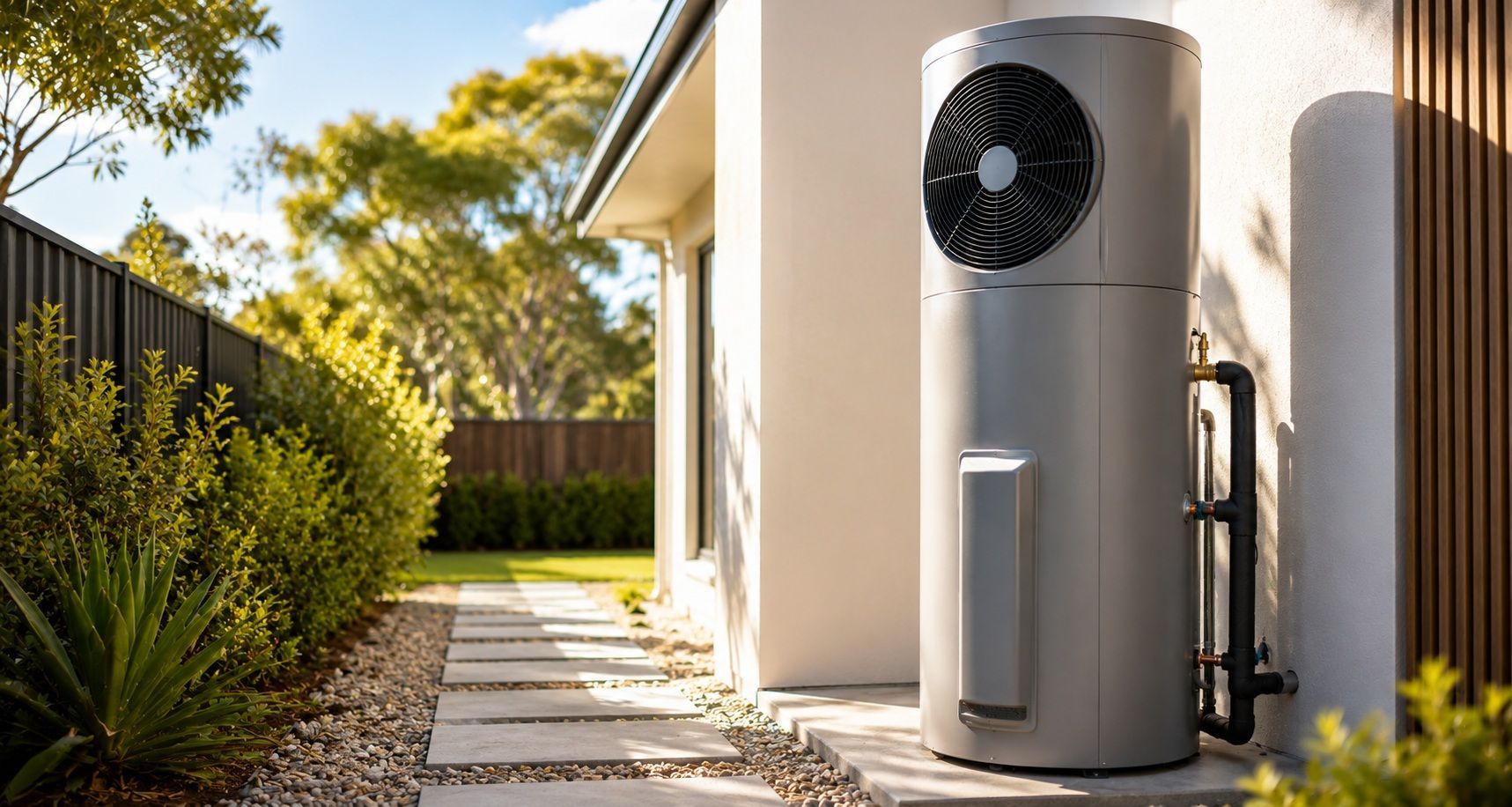
A heat pump hot water system is an energy-efficient water heating solution that uses heat from the air rather than relying solely on electricity to heat water.
The system combines a storage tank with a heat pump unit that captures ambient heat from the surrounding environment. Instead of generating heat directly, the system transfers existing heat into the water stored within the tank.
This process is similar to how a reverse-cycle air conditioner works, but instead of heating or cooling air inside your home, the system heats water for everyday use.
Because a heat pump moves heat rather than creating it, it can deliver substantial energy savings compared to conventional electric storage water heaters.
The Heat Pump Heating Process Explained
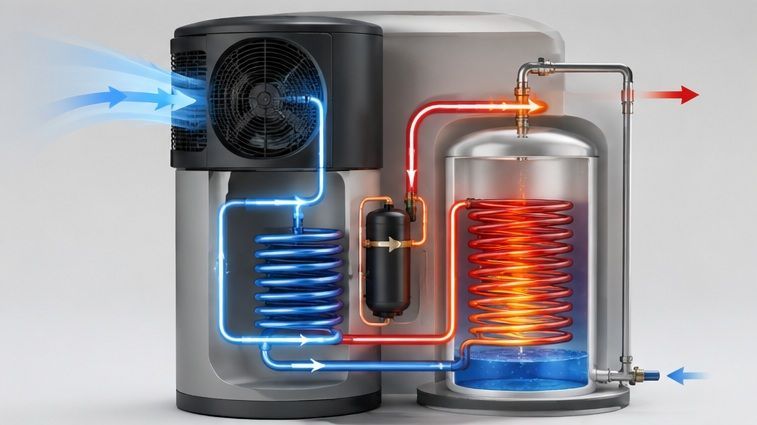
Heat pump hot water systems use several components working together to efficiently heat water.
Step 1: Air Is Drawn Into the System
The process begins when a fan pulls warm ambient air across an evaporator coil.
Even when outdoor temperatures feel relatively cool, the air still contains heat energy that can be captured and used by the system.
Step 2: Heat Is Absorbed by Refrigerant
Inside the evaporator is a refrigerant that absorbs heat from the incoming air.
As the refrigerant absorbs this heat, it changes from a liquid into a gas.
Step 3: The Refrigerant Is Compressed
The heated refrigerant gas passes through a compressor.
Compression increases the refrigerant's temperature significantly, creating a highly efficient heat source.
Step 4: Heat Is Transferred to Water
The hot refrigerant then travels through a heat exchanger that transfers its heat into the water stored within the tank.
As the heat is transferred, the refrigerant cools and returns to its original state, ready to repeat the cycle.
Step 5: Hot Water Is Stored for Use
The heated water remains stored within an insulated tank until required.
When a tap, shower or appliance demands hot water, the system supplies it just like a traditional storage hot water unit.
Why Are Heat Pump Hot Water Systems So Efficient?
The main reason heat pump hot water systems are more efficient than traditional electric systems is that they transfer heat rather than generate it. A conventional electric water heater converts electricity directly into heat through an electric element.A heat pump system uses electricity primarily to power the fan, compressor and controls while drawing most of its heating energy from the surrounding air.
As a result, heat pump hot water systems can often produce several units of heat energy for every unit of electricity consumed.
This improved efficiency can lead to noticeable reductions in household energy consumption and ongoing running costs.
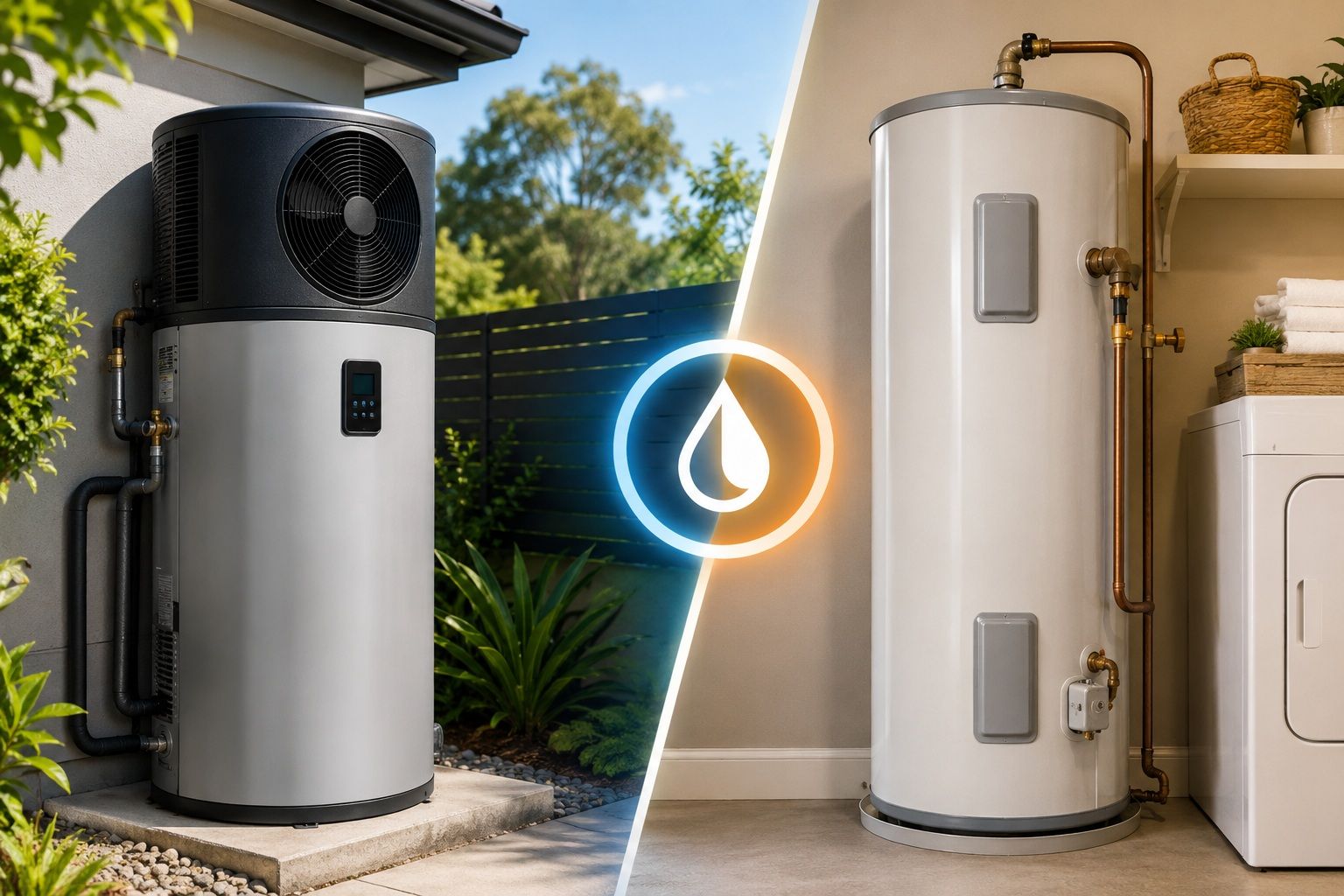
Heat Pump Hot Water Systems vs Traditional Electric Water Heaters
When comparing the two technologies, the primary difference is the heating method.
Traditional Electric Water Heater
A conventional electric storage system:
- Uses an electric element to heat water
- Relies entirely on electricity for heating
- Generally has higher operating costs
- Has a simpler heating process
Heat Pump Hot Water System
A heat pump system:
- Extracts heat from the surrounding air
- Uses less electricity to heat water
- Can significantly reduce energy consumption
- Produces lower greenhouse gas emissions
- Works efficiently throughout the year
While both systems provide reliable hot water, many homeowners choose heat pump technology because of its long-term energy-saving potential.
Do Heat Pump Hot Water Systems Work in Winter?
One of the most common questions homeowners ask is whether heat pump hot water systems continue to work during colder weather. The answer is yes.
Modern systems are designed to operate efficiently across a wide range of temperatures. While efficiency may vary slightly depending on weather conditions, quality heat pump systems continue to produce reliable hot water throughout Perth winters. Perth's climate is particularly well suited to heat pump technology because the region generally experiences mild winters and warm temperatures for much of the year.
Can Heat Pump Hot Water Systems Work With Solar?
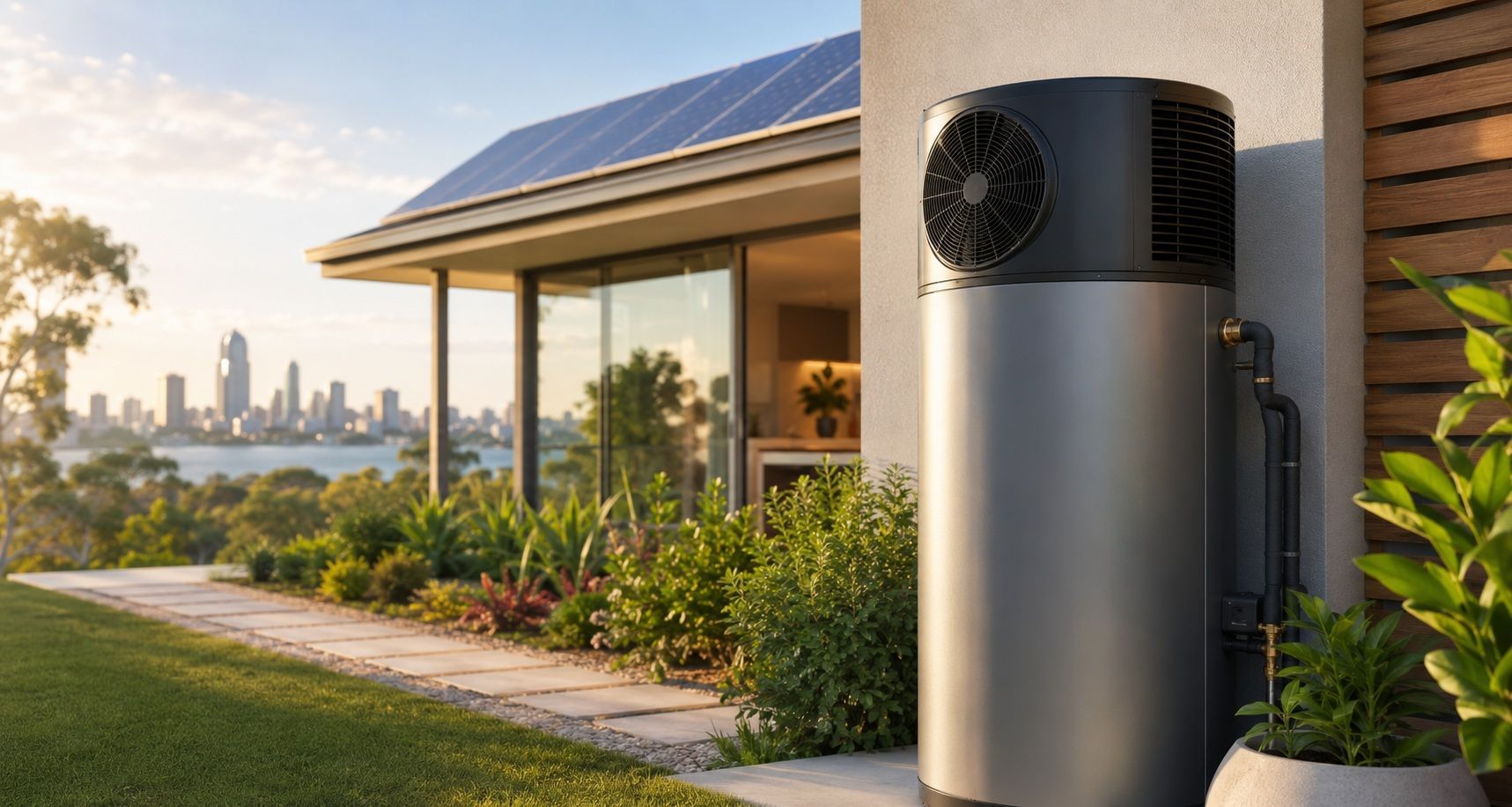
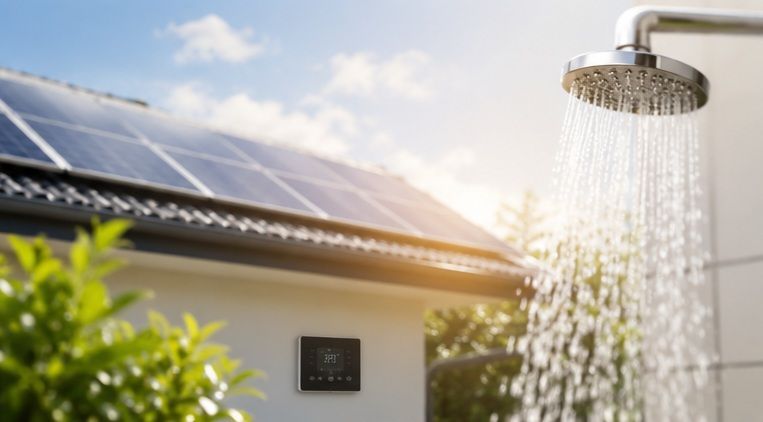
Yes. Heat pump hot water systems work exceptionally well alongside solar power systems.
When paired with rooftop solar panels, homeowners can use excess solar energy to power the heat pump during daylight hours, further reducing household energy costs.
This combination is often considered one of the most energy-efficient ways to produce hot water in Australian homes.
Are Heat Pump Hot Water Systems Environmentally Friendly?
Heat pump systems are widely regarded as one of the more environmentally responsible water heating options available today.
Because they use renewable heat from the surrounding air, they typically consume less electricity than traditional electric storage systems.
Benefits can include:
- Lower energy consumption
- Reduced carbon emissions
- Improved household energy efficiency
- Compatibility with solar energy systems
- Reduced reliance on fossil-fuel-generated electricity
For homeowners seeking to reduce their environmental impact, heat pump technology offers a practical solution without sacrificing comfort or performance.
Is a Heat Pump Hot Water System Right for Your Home?
A heat pump hot water system may be suitable if you:
- Want to reduce electricity usage
- Are replacing an ageing electric water heater
- Have a household with moderate to high hot water demand
- Are looking to improve energy efficiency
- Already have solar panels or plan to install them
The most suitable system will depend on your household size, water usage patterns and installation requirements.
Professional advice can help ensure you choose the right system for your property's needs.
Looking for Heat Pump Hot Water Systems in Perth?
At Simply Hot Water Perth, we supply and install quality heat pump hot water systems for homes throughout Perth and WA. Our team can help you choose the right system based on your household size, budget and hot water requirements.
Whether you're replacing an existing electric water heater or upgrading to a more energy-efficient solution, we can provide expert advice and professional installation. Explore our Heat Pump Hot Water Systems Perth page to learn more about available systems and installation options.