How Much Electricity Does a Heat Pump Hot Water System Use?
When considering a new hot water system, one of the most common questions homeowners ask is how much electricity it will consume. With rising energy costs across Australia, understanding the running costs of a hot water system is an important part of making an informed decision.
Heat pump hot water systems are widely recognised for their energy efficiency, but exactly how much electricity do they use?
The answer depends on several factors, including household size, hot water usage, climate conditions and the specific system installed. However, compared to traditional electric water heaters, heat pump technology generally uses significantly less electricity to produce the same amount of hot water.
Why Heat Pump Systems Use Less Electricity
The main reason heat pump hot water systems consume less electricity is that they do not generate heat directly.
A conventional electric storage water heater uses an electric element to heat water, meaning every unit of heat requires electricity to be consumed.
A heat pump system works differently.
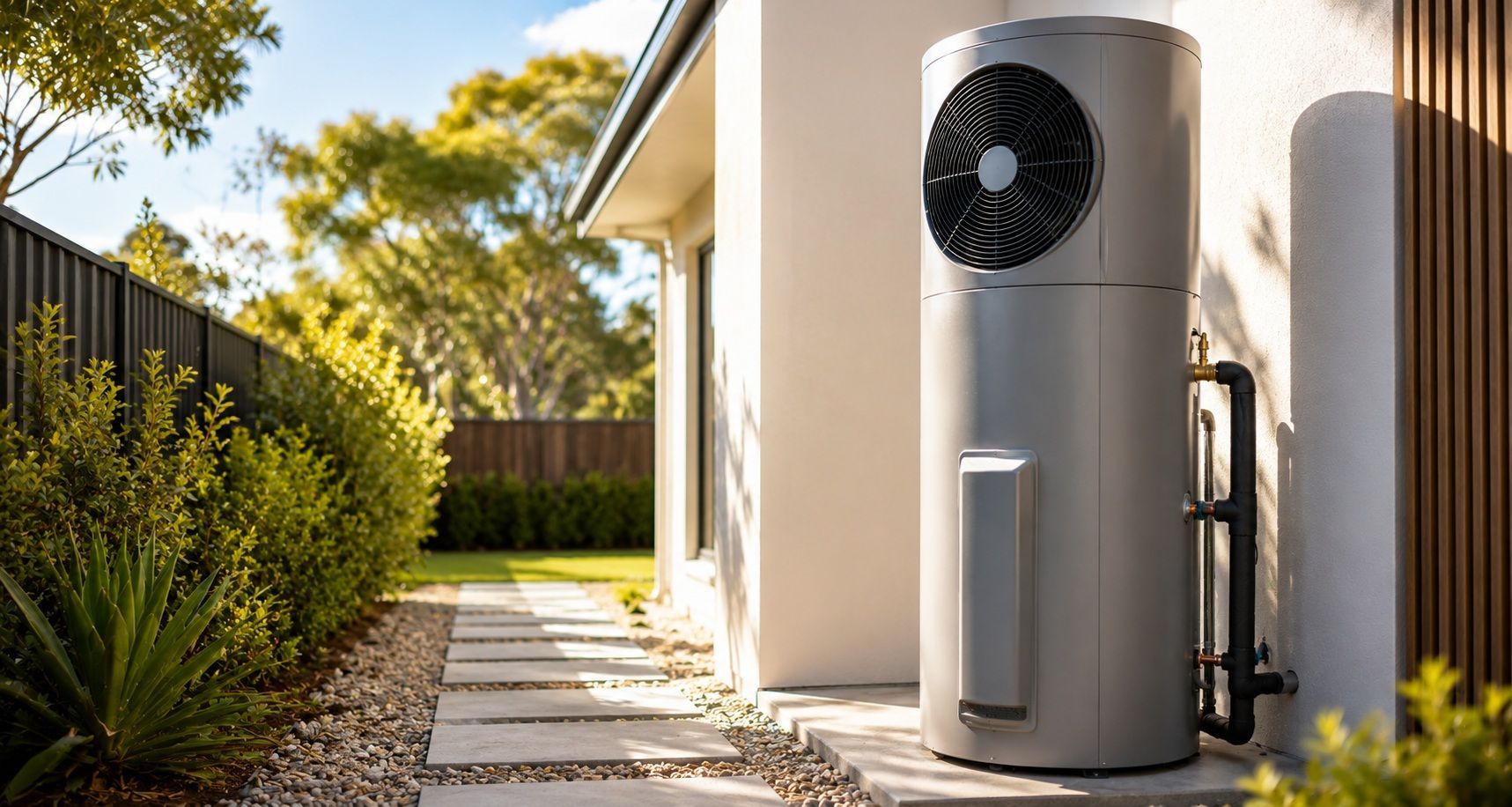
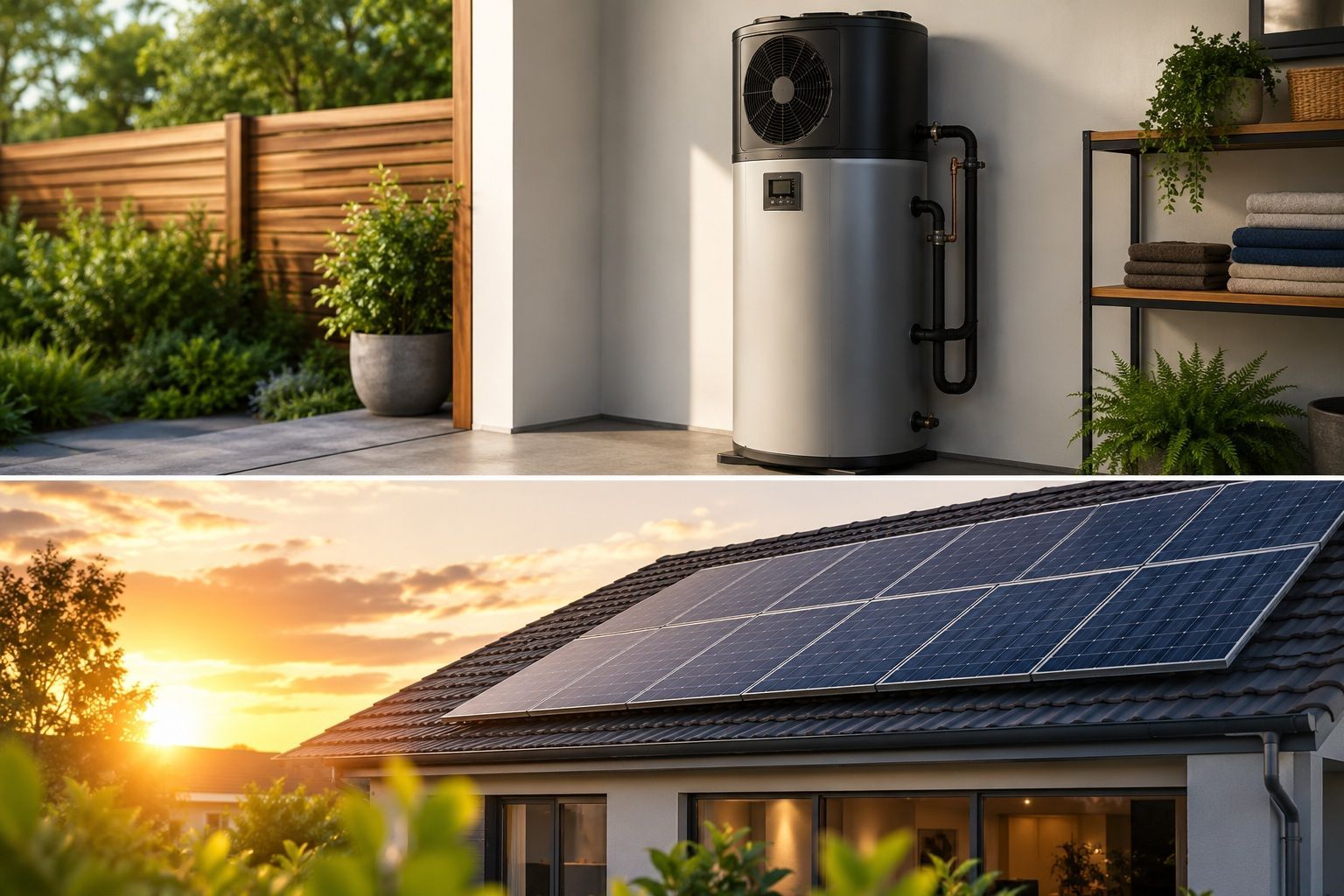
Rather than creating heat, it captures heat energy from the surrounding air and transfers that heat into the water stored within the tank. Electricity is primarily used to power the fan, compressor and control systems.
Because the system is moving heat rather than generating it, it can produce far more heat energy than the electricity it consumes.
How Efficient Are Heat Pump Hot Water Systems?
Heat pump hot water systems are often described as being several times more efficient than conventional electric storage systems.
This efficiency is commonly measured using a performance rating known as the Coefficient of Performance (COP).
The COP compares the amount of heat energy produced with the amount of electricity consumed.
For example, a system with a COP of 4 can theoretically produce four units of heat energy for every unit of electricity used.
Actual performance varies depending on:
- Outdoor temperature
- Water temperature requirements
- System design
- Installation conditions
- Household hot water demand
Even allowing for real-world conditions, heat pump systems are generally among the most energy-efficient water heating solutions available.
Factors That Affect Electricity Usage
The amount of electricity a heat pump hot water system uses depends on several variables.
Household Size
Larger households generally consume more hot water than smaller households.
A family of five will typically require more energy for water heating than a single occupant household.
Daily Hot Water Usage
Activities such as:
- Long showers
- Frequent washing machine use
- Large bathtubs
- Multiple occupants
can increase hot water demand and therefore energy consumption.
Climate Conditions
Heat pumps operate by extracting heat from the surrounding air.
Warmer climates generally allow systems to operate more efficiently because more heat energy is available.
This is one reason Perth's climate is particularly well suited to heat pump technology.
Tank Size
Larger storage tanks may require more energy to heat a greater volume of water, although they can also provide additional hot water capacity for larger households.
System Efficiency
Different manufacturers and models offer varying efficiency levels.
Choosing a high-quality heat pump system can help maximise energy savings over the life of the unit.
Heat Pump vs Traditional Electric Water Heater Electricity Usage
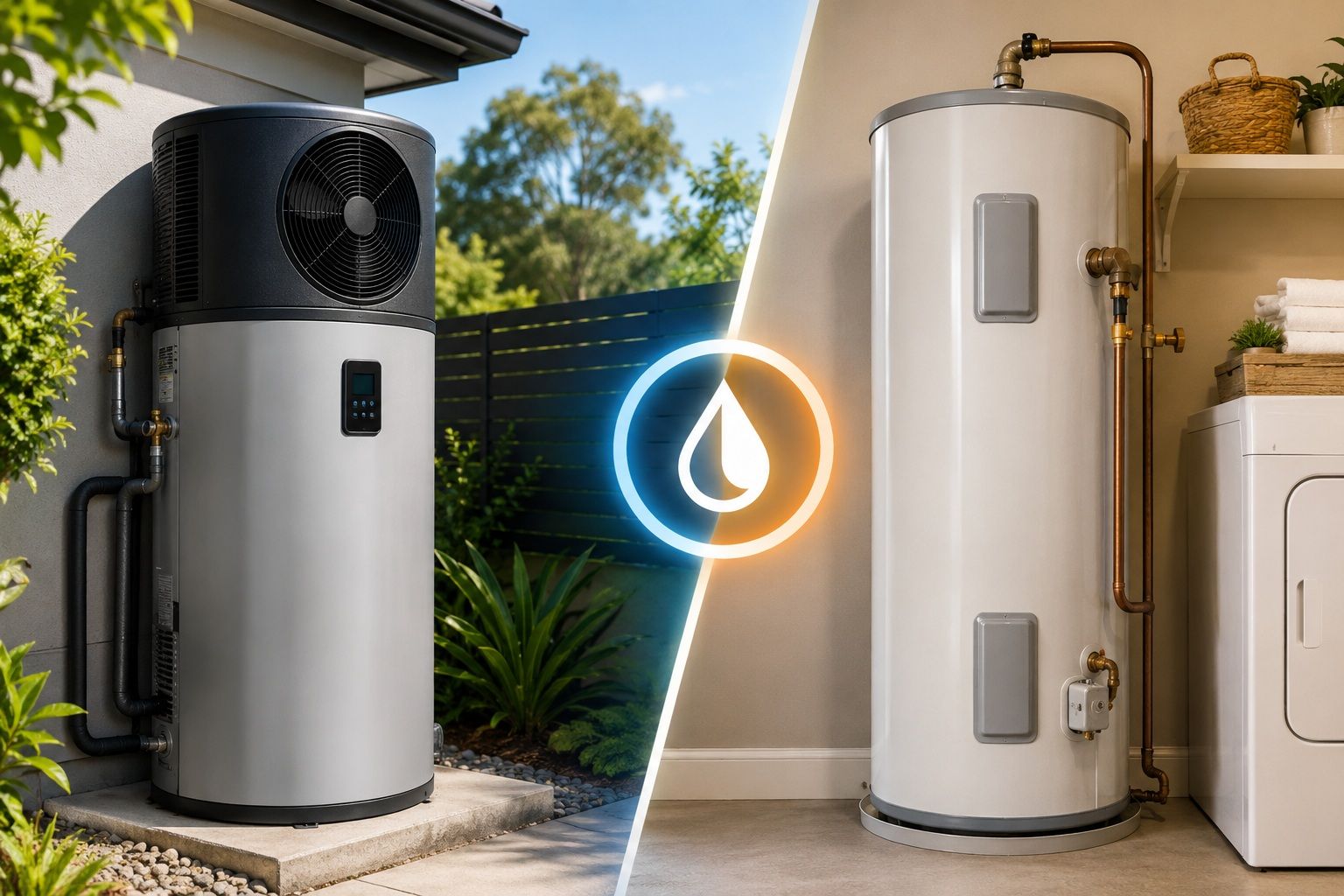
One of the easiest ways to understand electricity consumption is by comparing a heat pump hot water system with a traditional electric storage water heater.
Traditional Electric Storage Water Heater
A conventional electric water heater:
- Uses an electric element to generate heat
- Relies entirely on electricity
- Generally has higher operating costs
- Typically consumes more energy over time
Heat Pump Hot Water System
A heat pump system:
- Uses heat from the surrounding air
- Requires less electricity
- Offers improved energy efficiency
- Can significantly reduce running costs
For many households, switching from an electric storage system to a heat pump can result in substantial reductions in electricity usage.
Does a Heat Pump Run All Day?
No.
Heat pump hot water systems do not operate continuously.
Like most hot water systems, they turn on when heating is required and switch off once the desired water temperature has been reached.
Many systems also include:
- Timers
- Smart controls
- Scheduling functions
- Solar integration features
These settings can further optimise electricity consumption by operating the system during periods of lower energy costs or when solar power is available.
Heat Pumps and Solar Energy
One of the biggest advantages of heat pump technology is its compatibility with solar power systems.
Many homeowners program their heat pump to run during daylight hours when rooftop solar panels are producing electricity.
This allows solar energy to be used for water heating rather than being exported to the grid.
Combining solar panels with a heat pump hot water system can help maximise household energy efficiency and further reduce electricity costs.
Is a Heat Pump Cheaper to Run?
In most cases, yes.
Although installation costs are often higher than a traditional electric storage water heater, the reduced electricity consumption of a heat pump system can result in lower running costs over time.
The exact savings depend on:
- Household hot water usage
- Electricity tariffs
- System efficiency
- Climate conditions
- Solar integration
Many homeowners focus on the total cost of ownership rather than simply comparing purchase prices.
Why Perth Homeowners Choose Heat Pumps
Heat pump hot water systems have become increasingly popular across Perth due to their ability to deliver reliable hot water while reducing energy consumption.
Benefits often include:
- Lower electricity usage
- Reduced running costs
- Improved energy efficiency
- Compatibility with solar power
- Reduced environmental impact
- Reliable year-round performance
With Perth's generally warm climate providing favourable operating conditions, heat pumps are often considered one of the most efficient hot water solutions available.
Looking for an Energy-Efficient Hot Water System?
At Simply Hot Water Perth, we supply and install quality heat pump hot water systems for homes throughout Perth and WA. Our team can help you choose the right system based on your household's hot water usage, energy goals and budget.
Visit our
Heat Pump Hot Water Systems Perth page to learn more about available systems and installation options.